
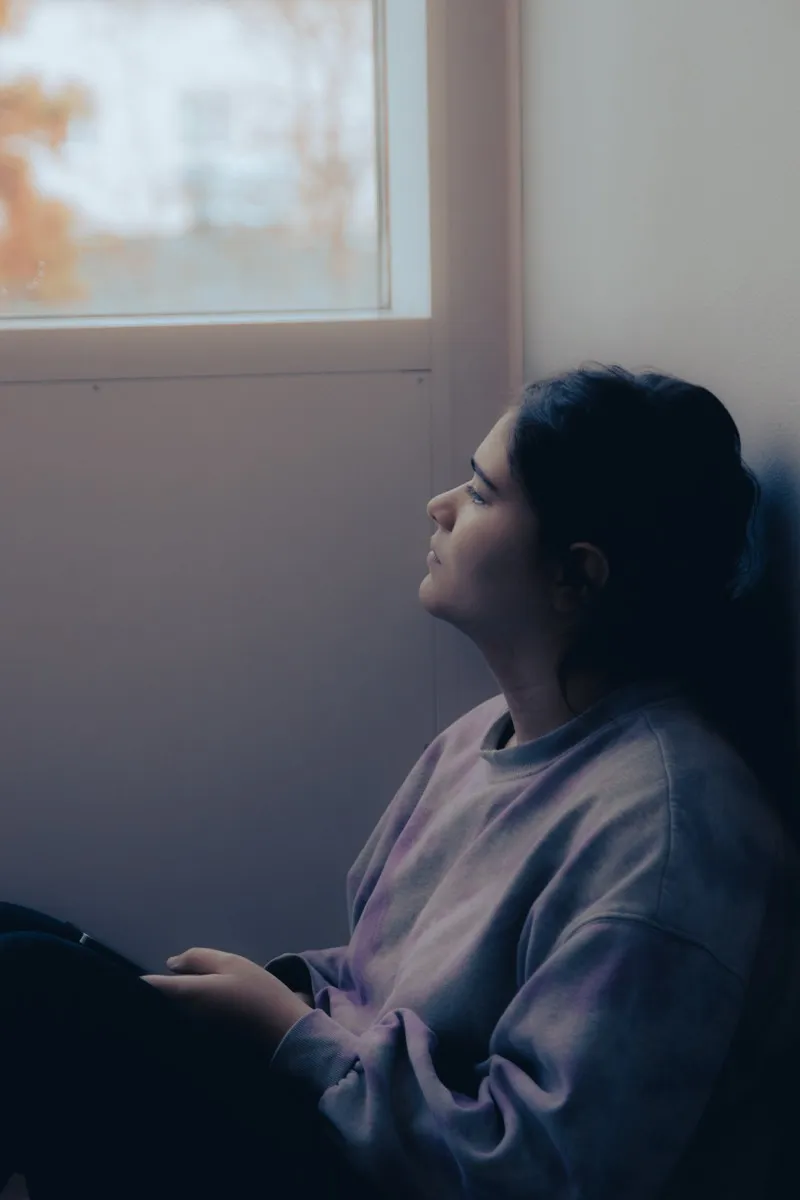
Brain rest
Moments when the brain gets a break from processing information from outside. For example daydreaming, having a shower, walking in silence.
The page in brief
- Brain rest is when the brain gets a rest from everything that comes from outside.
- It can be daydreaming, having a shower or going for a walk without a phone or music.
- Brain rest makes it easier to concentrate, be creative and sleep.
- Going from the computer to the phone is not brain rest.
- Start with short moments. It can feel unfamiliar at first.
Why is brain rest so important?
Many of us are constantly connected today and fed a steady stream of information to process, and the brain can feel overstimulated. Brain rest means giving the brain time to think freely, without information and entertainment from screens, tasks to solve or interaction with other people. To feel well, we sometimes need to switch off and give the brain a chance to recover. Brain rest is about taking short breaks from outside stimulation. So a good break for the brain when you are working is to do the opposite of what you were just doing, for example closing your eyes and breathing, or moving about.
Examples of brain rest
- Daydreaming
- Walks or light jogging in silence
- A bath, a shower or a sauna
Benefits of brain rest
The brain needs to alternate between processing stimulation from outside and taking a break from it, so that it can perform when we face mentally demanding tasks. With regular breaks, we have more access to the resources we need when we have to focus, regulate our emotions or do other demanding things with our brain.
- Improves concentration
- Increases creativity and problem-solving
- Reduces stress and overload
- Supports better sleep and recovery
Tips for more brain rest
Screen breaks
A break from the computer screen where you go straight to your phone is not brain rest. Move about without a screen instead.
Daydream
Allow your thoughts to flow freely. It really is fine to just sit and stare out of the window sometimes!
Calm walks or everyday chores
Walk, hang up the washing and do the dishes without listening to music or a podcast.
Breathing exercises or meditation
A short moment of mindfulness can make a big difference.
A bath, a shower or a sauna
These can feel like natural moments for brain rest, and for many people this is when ideas come.
“Start with small steps – it can feel unfamiliar at first, but you will soon notice that it gives you more energy.”
Talk with your child
Open questions make it easier to talk about everyday life without it turning into an interrogation.
“What does an ordinary day look like for you – do you have any moments of brain rest? What are they like?”
“What is it like for you when you have nothing to do, no phone and no one to talk to? How do you react then?”
Show that you are curious, ask open questions and listen to understand. Sum up what you have heard and ask if you have understood correctly. Focus on balance, not on what is wrong.
The questions come from Det syns inte’s conversation material “Må bra samtal” (feel-good conversations).

Want to work with this at school?
Det syns inte is a school programme about mental health, the brain and life with screens. It is built on drama films and research, and is used by teachers, mentors and school health teams together with the students. The programme’s website is in Swedish.